In an email to Tom's Hardware, Itera described the underlying approach as a form of electrowetting, where electric fields are used to precisely move liquid metal alloys...
I can see benefits during the development process, not necessarily in the finished product.
Hardware PCB development is currently very much iteration based. You update schematics and layout , produce a PCBA (can take weeks), then test thoroughly. In case of issues, you have to repeat the whole cycle.
In more complex designs where you need to achieve very low noise/interference and stable behavior in any ambient condition the testing can become very time consuming.
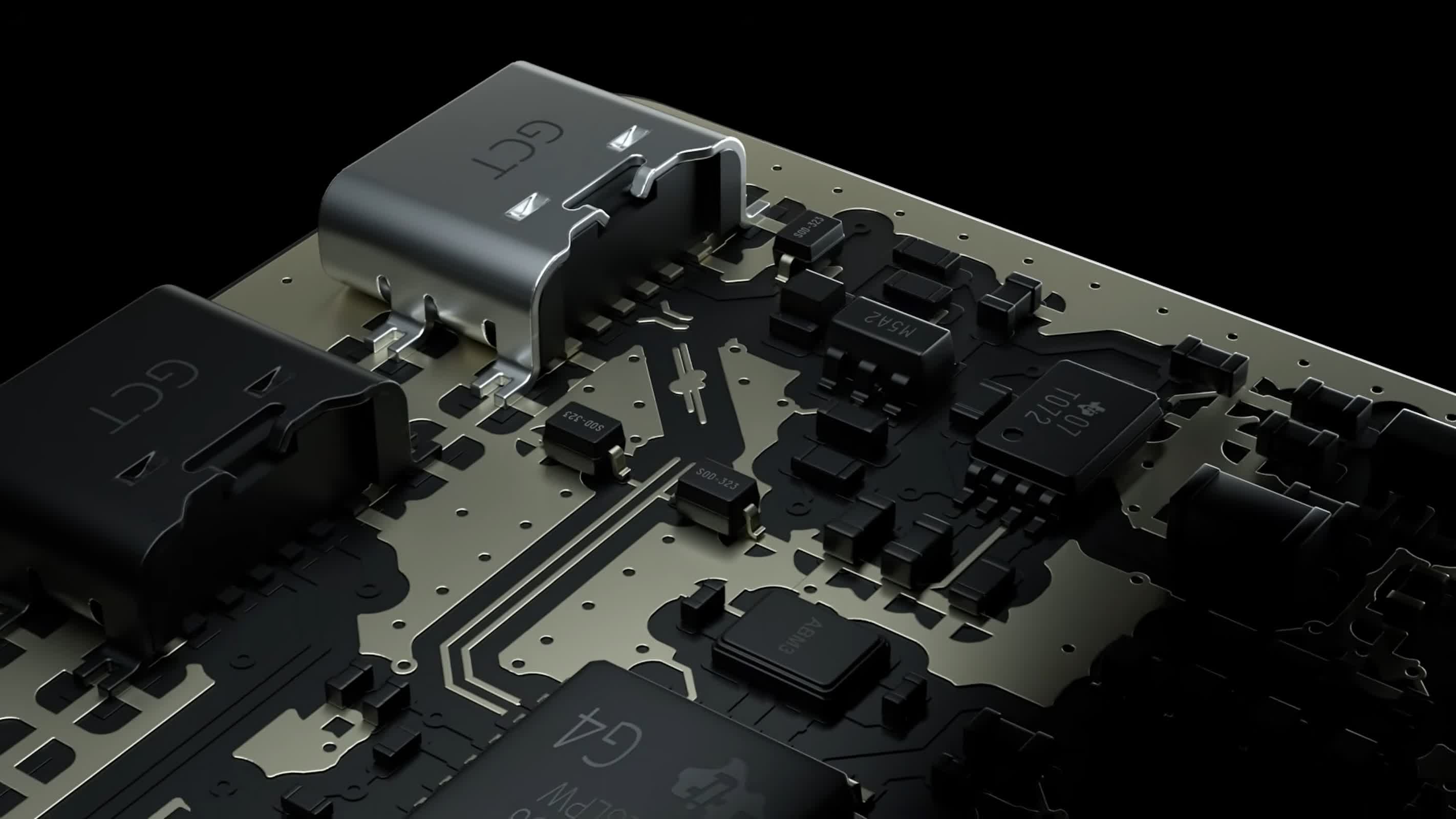
If you could reconnect traces, shift or reroute them you would not only greatly reduce the time it takes to update and test a design, but you can also test many layouts and therefore create more optimal designs that might be smaller, more cost optimized or better performing. And the entire process could become more tightly computer automated.

I can see benefits during the development process, not necessarily in the finished product.
Hardware PCB development is currently very much iteration based. You update schematics and layout , produce a PCBA (can take weeks), then test thoroughly. In case of issues, you have to repeat the whole cycle.
In more complex designs where you need to achieve very low noise/interference and stable behavior in any ambient condition the testing can become very time consuming.
If you could reconnect traces, shift or reroute them you would not only greatly reduce the time it takes to update and test a design, but you can also test many layouts and therefore create more optimal designs that might be smaller, more cost optimized or better performing. And the entire process could become more tightly computer automated.